Handrail Regulations NSW: How Steel Fabrication In Coffs Harbour Ensures Your Project Meets Code
Handrails on residential stairs in NSW generally need to be at least 865mm high, with specific requirements for their placement, continuity and construction. Understanding these rules before starting your project can help prevent costly modifications. Professional steel fabrication in Coffs Harbour can help homeowners, builders and property managers achieve a safe, accurately fitted handrail.
Whether you're installing outdoor stairs, renovating a balcony or replacing an existing railing, knowing the applicable regulations is an important first step.
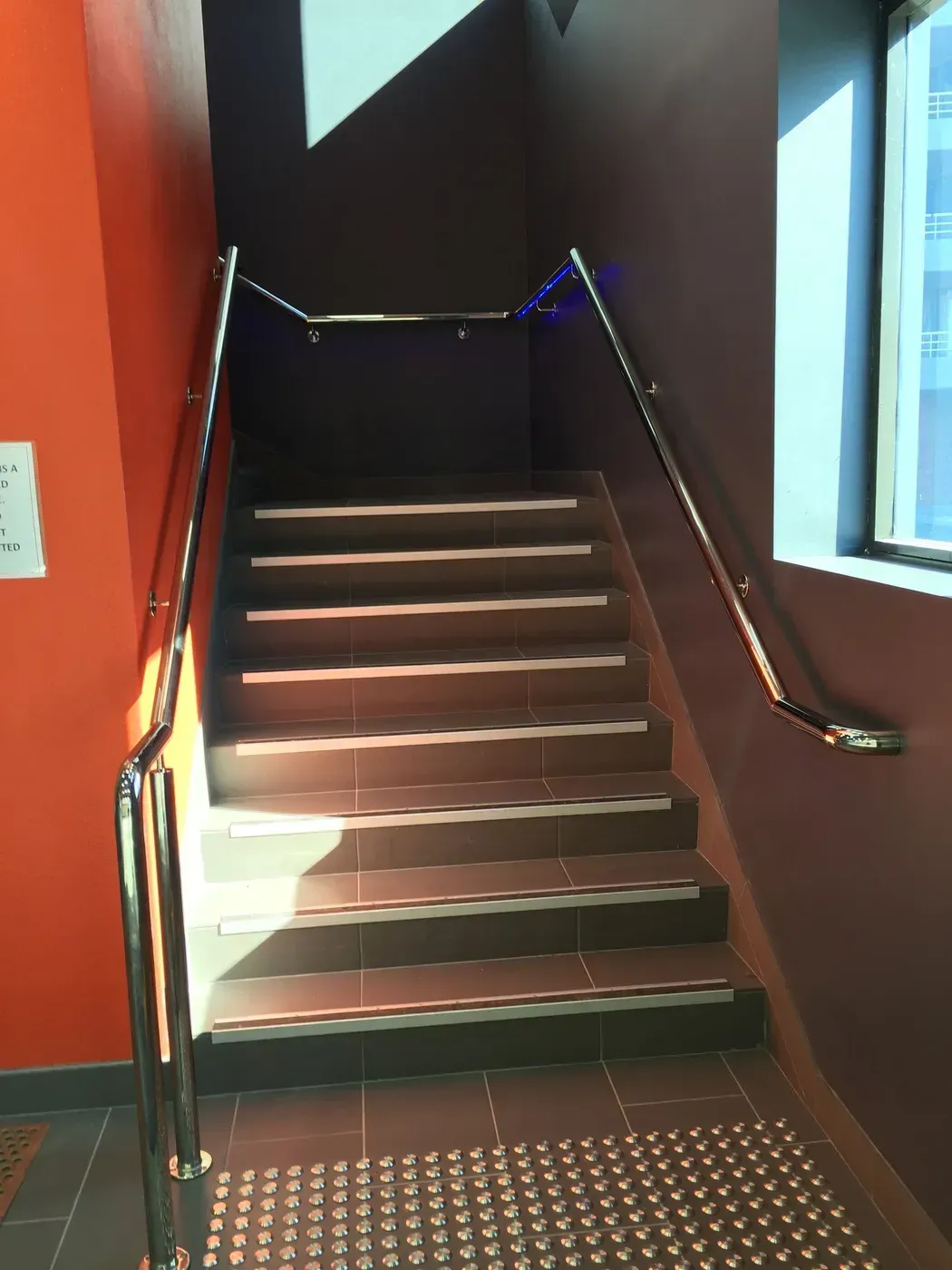
Understanding Handrail Regulations in NSW
The National Construction Code (NCC) establishes minimum safety requirements for stairways, handrails and barriers throughout Australia.
For houses and other relevant residential buildings, the NCC 2022 Volume Two and associated Housing Provisions outline requirements for safe movement and fall prevention.
Under these provisions, a handrail is generally required on at least one side of a stairway or ramp where the change in elevation is 1 metre or more.
The main NCC handrail requirements include:
- Height: Handrails must be at least 865mm above the stair nosing line.
- Placement: A handrail must generally be provided on at least one side of a qualifying stairway or ramp.
- Continuity: Handrails must extend along the required length without unnecessary interruptions.
- Safe grip: Handrails must provide a continuous, unobstructed handhold, subject to permitted exceptions.
- Structural integrity: Associated barriers must withstand the applicable loads.
These requirements can vary depending on the building classification, stairway design and intended use. Commercial buildings and accessible pathways may have additional obligations.
For residential projects, the relevant provisions include NCC Volume Two Part H5 and Housing Provisions Part 11.3.
What Are the Handrail Height Requirements in NSW?
Under the NCC 2022 Housing Provisions, the minimum height for a residential stair handrail is 865mm, measured vertically from the nosing of the stair treads to the top surface of the handrail.
Importantly, the residential Housing Provisions do not specify a universal maximum height of 1,000mm for stair handrails. Other requirements may apply to particular buildings or accessible routes.
The handrail height requirements NSW property owners should consider also depend on whether the structure is a handrail, a protective barrier or both.
For example, a balcony barrier generally needs to be at least 1,000mm above the finished floor, while a barrier along a stair flight generally requires a minimum height of 865mm above the nosing line.
A handrail and a balustrade may form part of the same structure, but they serve different purposes. A handrail provides support while walking, whereas a barrier helps prevent falls from elevated surfaces.
Understanding this distinction helps ensure the correct measurements are incorporated into the design.
Do Outdoor Stairs Need Handrails in NSW?
Yes, outdoor stairs generally require a handrail when the total change in elevation is 1 metre or more, subject to the applicable NCC provisions.
This can include external stairways leading to elevated decks, verandahs and entrances.
For example, consider a Coffs Harbour home with outdoor stairs connecting a raised deck to the backyard. If the stairs involve a change in elevation of 1.2 metres, a compliant handrail would generally be required along at least one side.
Even where a stairway has a smaller rise, other safety or barrier requirements may apply depending on its configuration.
The stair handrail regulations NSW homeowners need to follow also extend beyond height. Handrails must be securely installed and designed to provide reliable support.
Outdoor installations require particular attention to weather exposure, material selection and mounting points.
Why Precision Steel Fabrication Matters
Accurate measurements and suitable materials are essential for steel handrail compliance in NSW projects.
A handrail might look correctly positioned but still fail to satisfy relevant construction requirements if its height, continuity or fixings are unsuitable.
Custom steel fabrication allows the handrail to be designed around the actual dimensions of the stairway or balcony rather than relying on a standard-sized product.
This is particularly useful for properties with:
- Uneven or sloping ground.
- Stairways with unusual dimensions.
- Existing structures requiring replacement railings.
- Coastal exposure requiring corrosion-resistant materials.
Choosing a specialist in steel fabrication in Coffs Harbour helps ensure your project dimensions and design requirements are considered before manufacturing begins.
At Watsons Aluminium, we fabricate stainless steel components for residential and commercial applications, including handrails and balustrades.
For coastal properties, appropriate stainless steel grades, finishes and maintenance are also important considerations. Marine-grade 316 stainless steel offers increased resistance to chloride-related corrosion, making it a useful option for exposed coastal environments.
What Happens If Your Handrail Doesn't Meet Code?
A non-compliant handrail can create safety risks and potentially delay building approval or completion.
If an issue is identified during a relevant building inspection, the owner or builder may need to arrange corrective work before the certifier can approve the affected work.
Depending on the circumstances, consequences may include:
- Repositioning or replacing the handrail.
- Modifying brackets, supports or mounting points.
- Additional inspections and associated expenses.
- Delays to construction or certification.
- Compliance or enforcement action where legally justified.
For projects in the Coffs Harbour local government area, compliance may be assessed by a registered certifier or the relevant council authority, depending on the approval pathway.
A small measurement discrepancy can matter where a mandatory minimum is not met. However, a 10mm variation does not automatically result in a demolition notice. Any enforcement response depends on the circumstances and applicable legal processes.
Planning the handrail correctly from the outset helps reduce the likelihood of these complications.
Choosing Handrails for Coastal Properties
Coffs Harbour's coastal conditions make material selection an important part of handrail design. Salt-laden air and moisture can contribute to corrosion, particularly where unsuitable materials or finishes are used.
Stainless steel is a popular choice for coastal handrails because it combines structural strength with a clean, modern appearance. However, selecting the appropriate grade and maintaining the finished installation remain important.
Custom fabrication also allows handrails to be designed around the property's existing architecture and practical access requirements.
For more information about material selection and custom designs, explore our guide to
custom handrails in Coffs Harbour: why steel fabrication is the right choice.
Plan Your Handrail Project With Confidence
Understanding handrail regulations NSW requirements before construction helps you make informed decisions about height, placement, materials and installation.
While accurate fabrication plays an important role, compliance also depends on the overall design, structural support, installation and applicable building requirements.
Working with an experienced fabricator early in the planning process can help identify practical design considerations before manufacturing begins.
Planning a new handrail installation or replacing an existing railing? Explore Watsons Aluminium's handrails and grab rails or get in touch to discuss your project and request a quote.