Stainless Steel Balustrades In Coffs Harbour: A Metal Fabrication Guide For Homeowners
Choosing between stainless steel and aluminium for a balustrade comes down to more than appearance. In Coffs Harbour, coastal exposure makes material grade, finish and fabrication particularly important. Aluminium offers a lightweight, corrosion-resistant option, while correctly specified Grade 316 stainless steel provides the strength and distinctive finish many homeowners want from a steel balustrade.
The stainless steel vs aluminium balustrade decision should therefore start with the property's location, exposure and design requirements. For homes close to the ocean, specifying the right material from the beginning matters far more than simply choosing whichever finish looks best in a showroom.
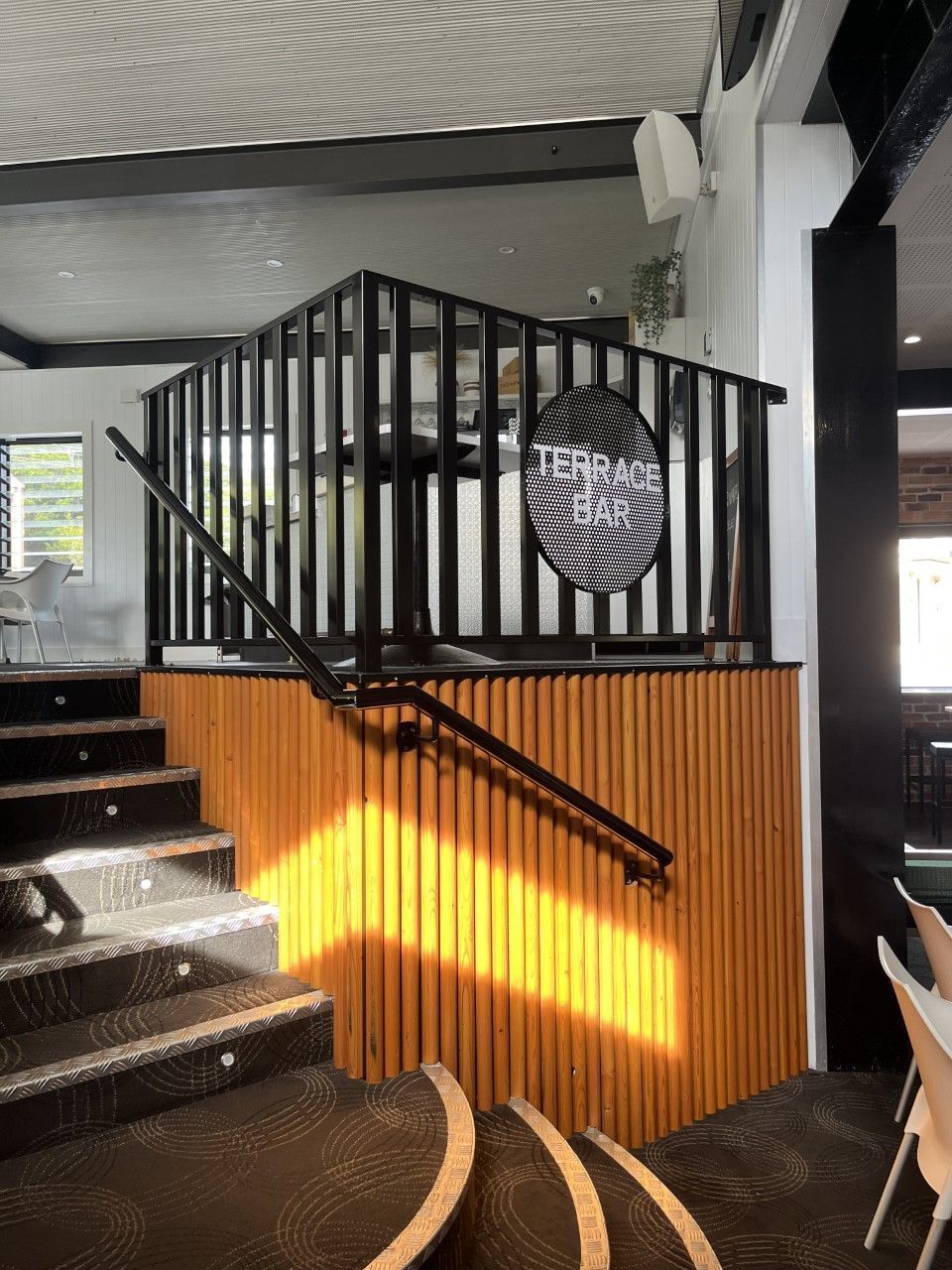
Stainless Steel vs Aluminium Balustrades: What's the Difference?
Both materials can produce attractive balustrades, but they behave differently and create a different finished appearance. Stainless steel is commonly chosen for its strength, clean lines and architectural finish. It works particularly well in contemporary homes and can be combined with glass where homeowners want to maintain views while still creating a defined balustrade structure.
Aluminium is lighter and naturally resistant to corrosion. It can also be finished in a wide range of colours, making it useful when the balustrade needs to coordinate with windows, doors or other exterior elements. Neither material is automatically right for every property. A sheltered inland renovation may have different requirements from an exposed Coffs Harbour home facing salt-laden coastal air.
Homeowners comparing materials should also consider the complete balustrade design rather than the frame alone. Watson's Aluminium fabricates glass and aluminium balustrades, while custom metal fabrication allows material and detailing to be considered around the specific project.
For a broader overview before choosing, read our guide to installing a balustrade: safety, style & material considerations.
Why Does Coastal Exposure Change the Equation?
Salt is the factor that makes a Coffs Harbour balustrade different from the same project further inland. Coastal air carries chlorides that settle on exposed metal surfaces. Balustrades are particularly exposed because posts, rails, fittings and connections can sit outside year-round rather than being protected within the building envelope.
That does not mean stainless steel cannot be used near the coast. It means the grade of stainless steel matters. Standard Grade 304 stainless can be attacked by chloride-rich coastal air, with deterioration potentially becoming apparent within two to three years in these conditions. For coastal fabrication, simply asking for "stainless steel" is therefore not specific enough.
The fabricator needs to understand where the balustrade will be installed and specify the material accordingly.
Why Does Coffs Harbour Require Grade 316 Marine Stainless?
Grade 316 marine stainless is the appropriate stainless specification for properties within approximately one kilometre of the NSW coastline, according to established coastal fabrication practice. The distinction matters because Grade 316 provides better resistance to chloride exposure than Grade 304. For a stainless steel balustrade in Coffs Harbour, that additional coastal suitability can make the difference between a material selected for the environment and one that begins showing problems prematurely.
This is particularly relevant for balconies, decks, external stairs and pool-adjacent areas exposed to coastal conditions. If you're requesting quotes, don't stop at asking whether the balustrade is stainless steel. Ask which grade of stainless is being supplied and whether it is appropriate for the property's distance from the coast and level of exposure.
Example: Two homeowners may request visually similar stainless balustrades for coastal properties. One receives Grade 304 because the specification simply says "stainless steel", while the other has Grade 316 specified for the site's marine exposure. The balustrades may initially look similar, but they have not been fabricated from materials with the same suitability for that environment.
That is why working with a business experienced in metal fabrication in Coffs Harbour can be valuable. Local conditions should inform the material specification before fabrication begins.
How Much Does a Stainless Steel Balustrade Cost in NSW?
There isn't a useful single price for a stainless steel balustrade because the cost depends on the project. The total can change according to the length and configuration of the balustrade, material grade, fabrication complexity, finish, installation requirements and whether stainless steel is being combined with glass.
A simple straight run and a custom balustrade around stairs, corners or changes in level are different fabrication jobs. Site access and the amount of custom work required can also affect the final quote.
Material specification matters as well. On a coastal property, choosing a cheaper stainless grade simply to reduce the initial price can be false economy if the material is not appropriate for chloride exposure.
When comparing a stainless steel balustrade cost, make sure you're comparing equivalent specifications. Ask what grade of steel is included, what the design covers and whether fabrication and installation requirements have been properly allowed for.
A quote that looks cheaper because important specification details are missing is not necessarily the lower-cost solution.
Are Stainless Steel Balustrades Better for Coastal Areas?
Stainless steel can be an excellent coastal balustrade material when the correct grade is used, but aluminium also deserves serious consideration. Grade 316 marine stainless offers the strength, finish and coastal suitability many homeowners want for an exposed architectural balustrade. It can also pair effectively with glass where maintaining an open outlook is a priority.
Aluminium provides a different set of advantages. It is lightweight, corrosion resistant and can be finished to complement other parts of the home. For some projects, particularly where matching existing aluminium windows or exterior finishes matters, it may be the more appropriate choice.
The better question is therefore not "Is stainless better than aluminium?" but "Which material better suits this particular site and design?"
For an exposed coastal project where the homeowner specifically wants stainless steel, Grade 316 should be part of the conversation. For other projects, a well-designed aluminium system may achieve the desired appearance and performance without needing stainless at all.
Why Does Fabrication Quality Matter as Much as Material?
Specifying Grade 316 does not automatically guarantee a good balustrade. The fabrication still has to be right. Balustrades are functional building elements, not simply decorative metalwork. Posts, rails, joints, connections and the way the system integrates with the building all need to be considered as part of the finished installation.
This becomes particularly important with custom work. Stairs, corners, balconies and irregular spaces often require accurate measurement and fabrication rather than forcing an off-the-shelf system into a space it was not designed for.
For a glass and steel balustrade in NSW, detailing also influences the finished appearance. Glass tends to expose rather than hide alignment issues, so the supporting metalwork needs to be fabricated with the final result in mind.
A local fabricator can also assess the actual environment rather than working from dimensions alone. Exposure, access, existing structures and surrounding materials can all influence how a balustrade should be designed and fabricated.
How Do You Choose the Right Balustrade for Your Project?
Start with the site before deciding on the material. If the property is in a coastal environment, tell your fabricator how close it is to the ocean and how exposed the balustrade will be. If you're considering stainless steel, confirm the grade rather than accepting a generic stainless specification.
Next, think about the visual result. Do you want the balustrade to disappear into the view, create a strong architectural feature or match existing aluminium elements around the home? That can help narrow the choice between stainless steel, aluminium and glass combinations.
Then consider the practical details: stairs, corners, fixing locations, access and any unusual dimensions. Custom fabrication becomes particularly valuable where the project does not fit a standard layout.
The stainless steel vs aluminium balustrade question ultimately has no universal winner. In Coffs Harbour, however, coastal exposure means stainless steel must be specified correctly. Grade 316 marine stainless is the starting point for coastal steel work, while aluminium remains a strong alternative where its finish, weight and corrosion resistance better suit the project.
Watson's Aluminium understands the conditions local balustrades need to handle and can help homeowners compare the options around the actual property. If you're planning a new build or renovation, contact our team to discuss the site, design and material before settling on a specification.